Start here
Idaho emergency preparedness: start with your household
Begin with the people at home, the information you need, and the supplies you can actually use.
Build your household plan →Practical guides for Idaho households, from winter roads and wildfire smoke to outages, floods, pets, and pantry planning.
Begin with the people at home, the information you need, and the supplies you can actually use.
Build your household plan →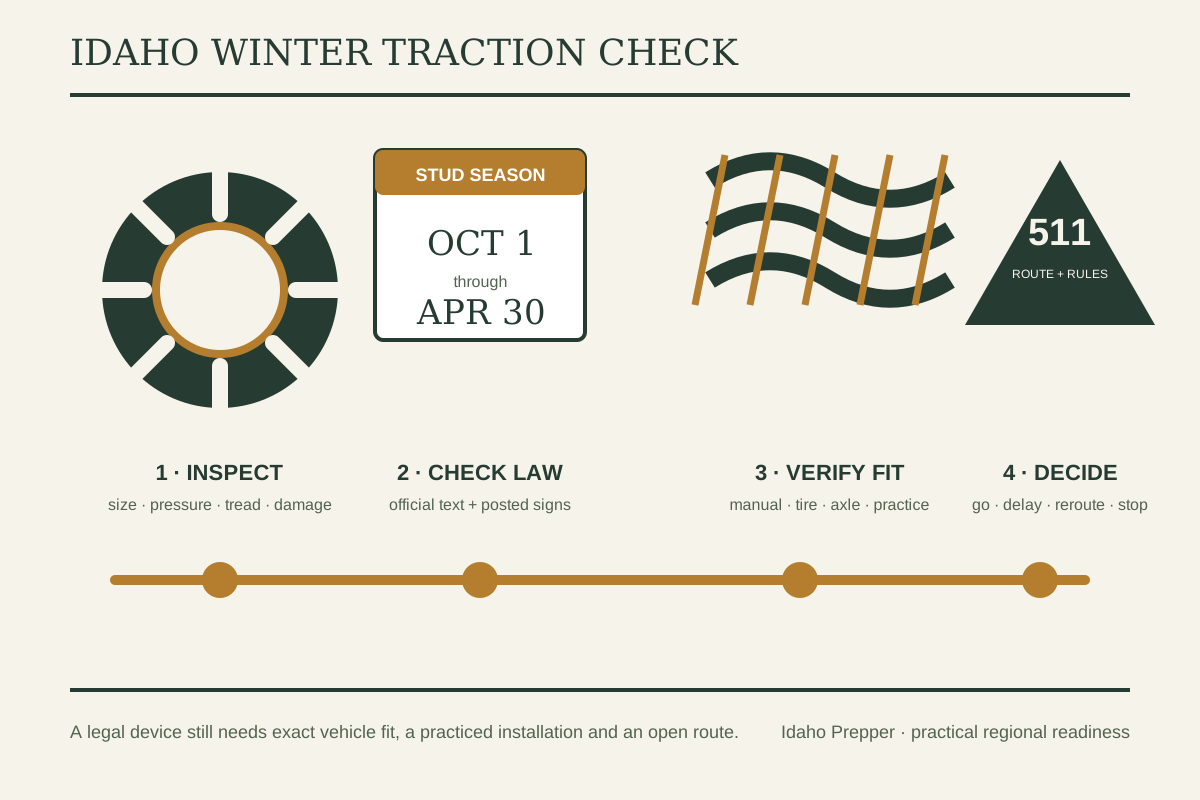
Check tire condition, studded-tire dates, passenger and commercial chain rules, exact device fit, and the route before winter travel.
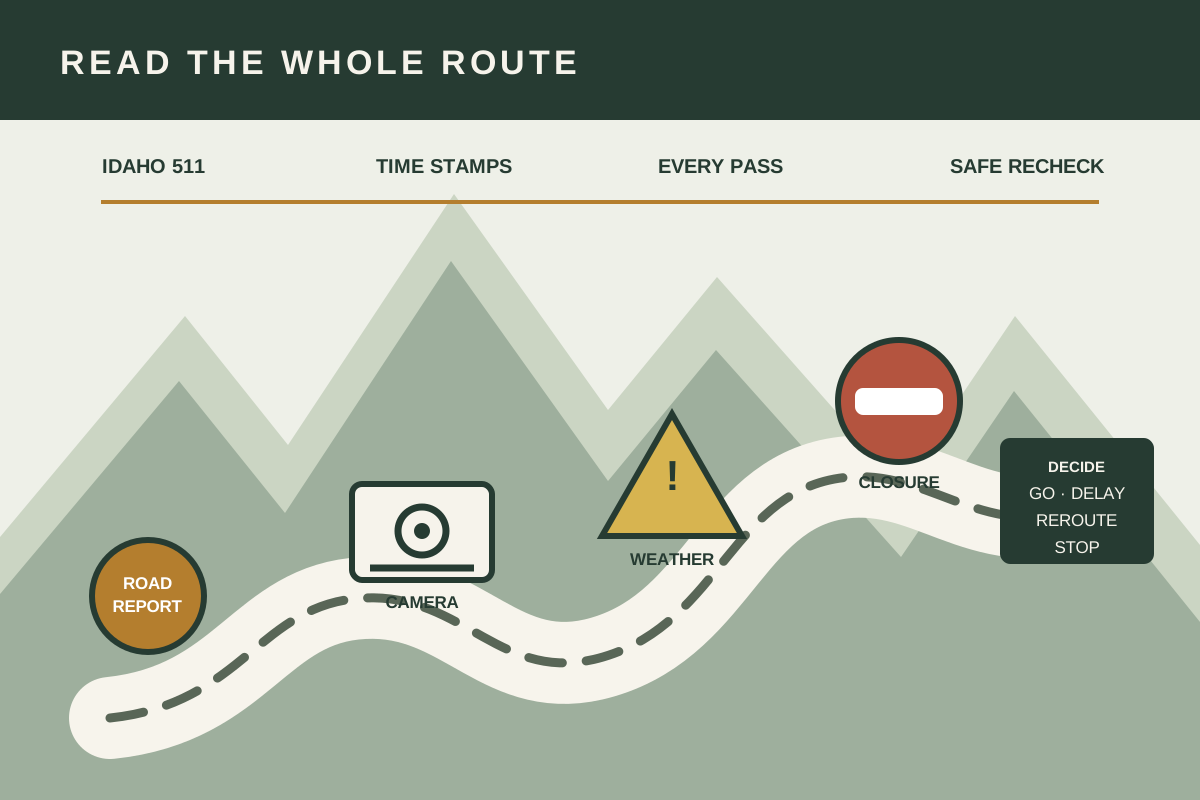
Read road reports, cameras, closures, weather timing, and route checkpoints before deciding to go, delay, reroute, or stop.
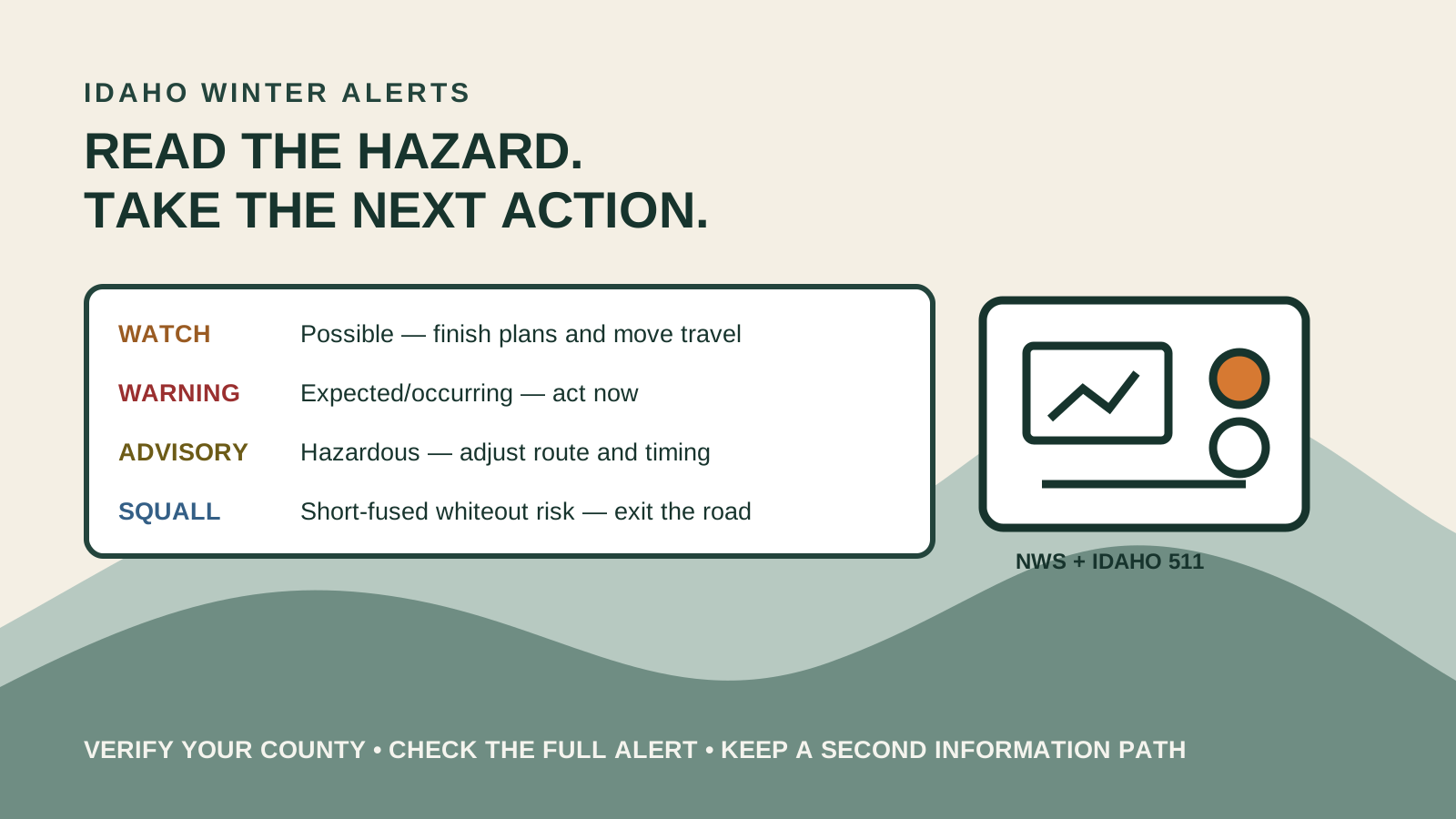
Translate watches, warnings, advisories, blizzard warnings and snow squall alerts into household and travel decisions.
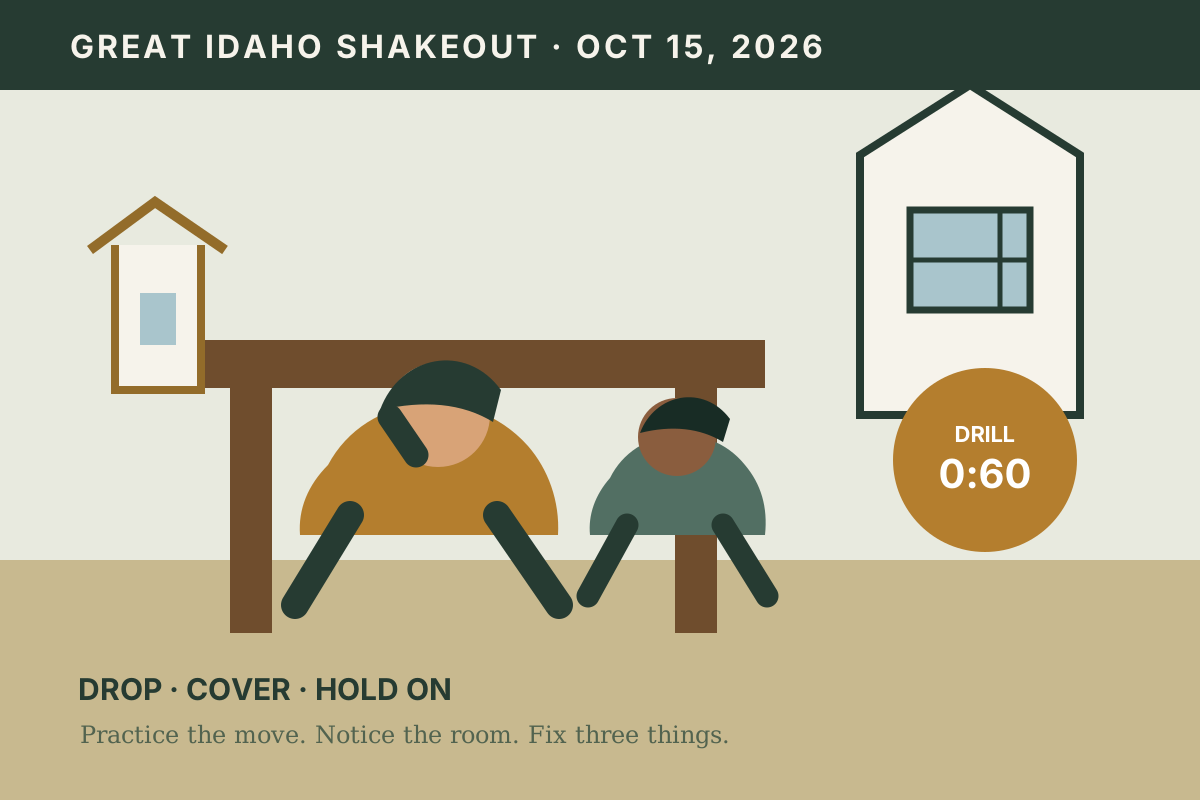
Run a calm 20-minute practice with accessible protective actions, pet planning, a room scan, and three fixes worth finishing.
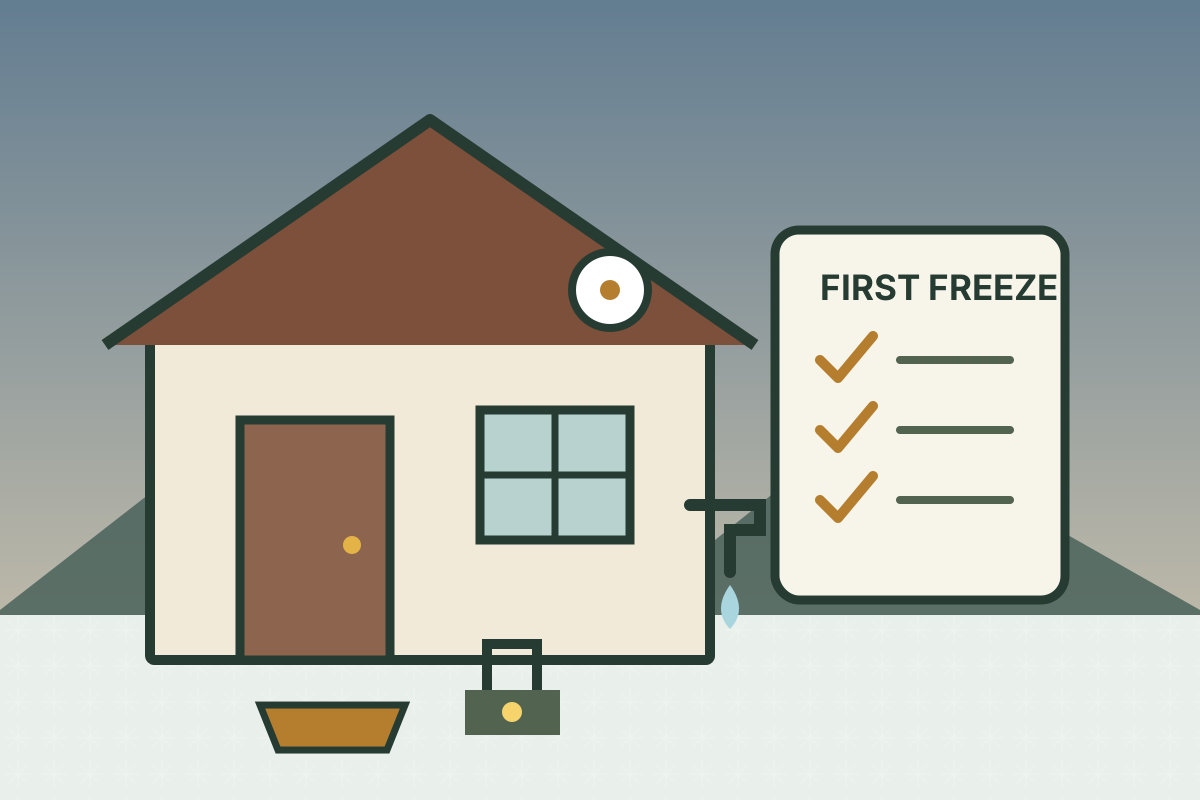
Use the first freeze watch to check heat, carbon monoxide alarms, vulnerable plumbing, private-well backup water, pets, and the morning drive.
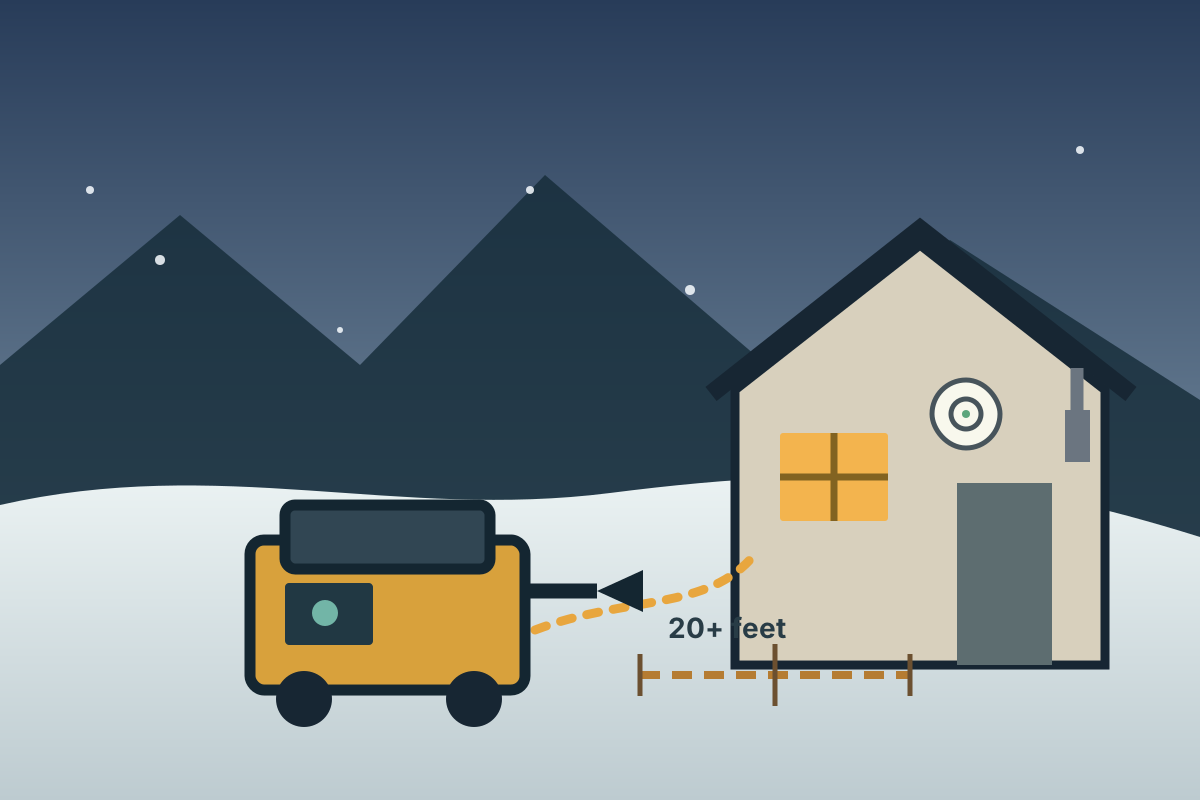
Measure the operating spot, test CO alarms, inspect outdoor cords, plan essential loads, and rehearse a safe shutdown before cold-weather outages.
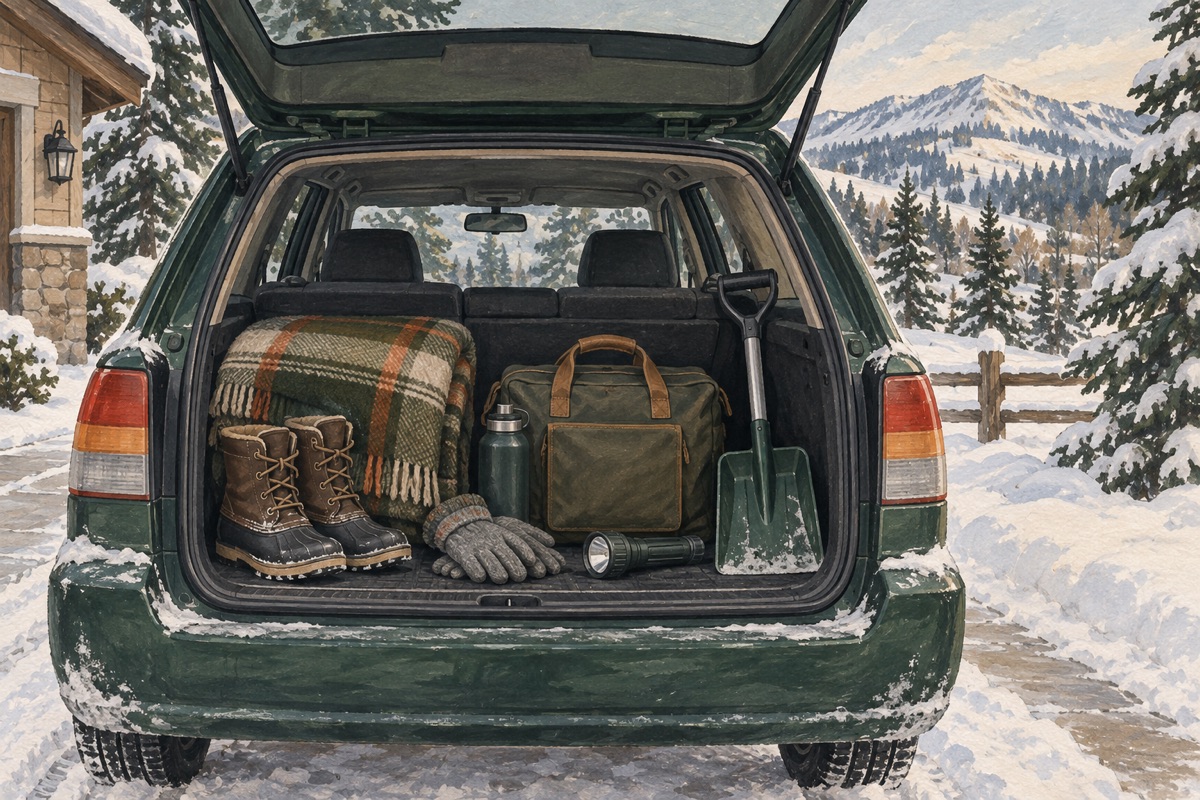
A practical winter car kit for Idaho travel, plus road-condition checks, accessible packing, and a seasonal maintenance routine.

Find Idaho smoke information and prepare a cleaner-air room, with official filtration guidance and a plan for leaving if home becomes unsafe.
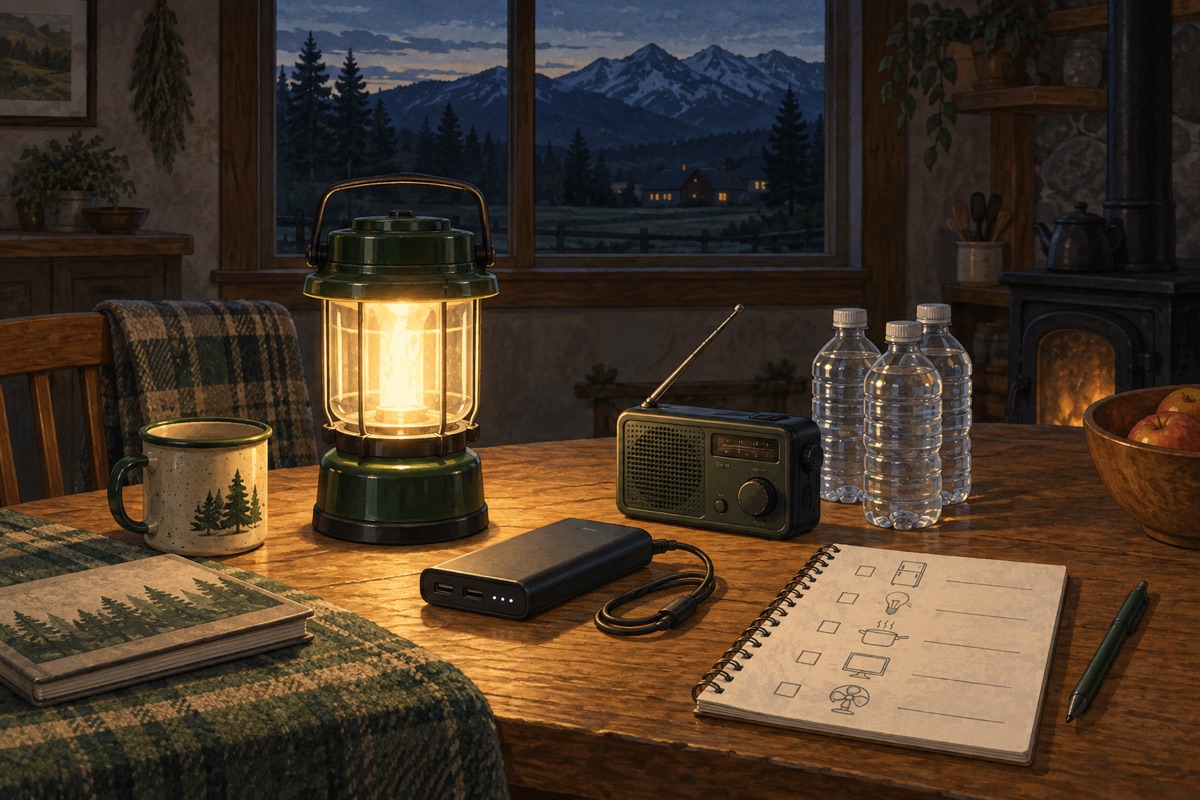
Prepare for an Idaho power outage with safe lighting, food and medication plans, utility alerts, and special steps for private wells and livestock.
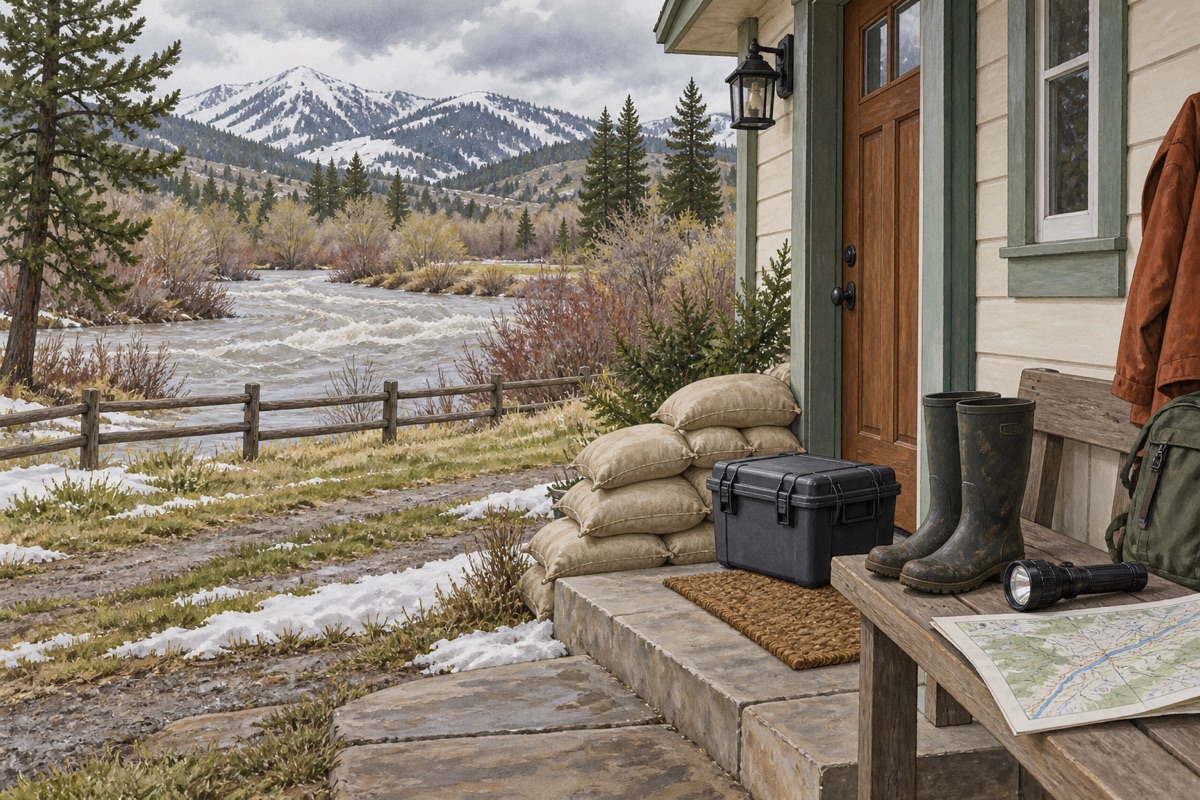
Check flood risk, understand Idaho alerts, protect documents, and plan a safe route before spring rain or snowmelt raises local water.

Prepare an Idaho home for earthquakes by practicing Drop, Cover, and Hold On and reducing common falling hazards room by room.
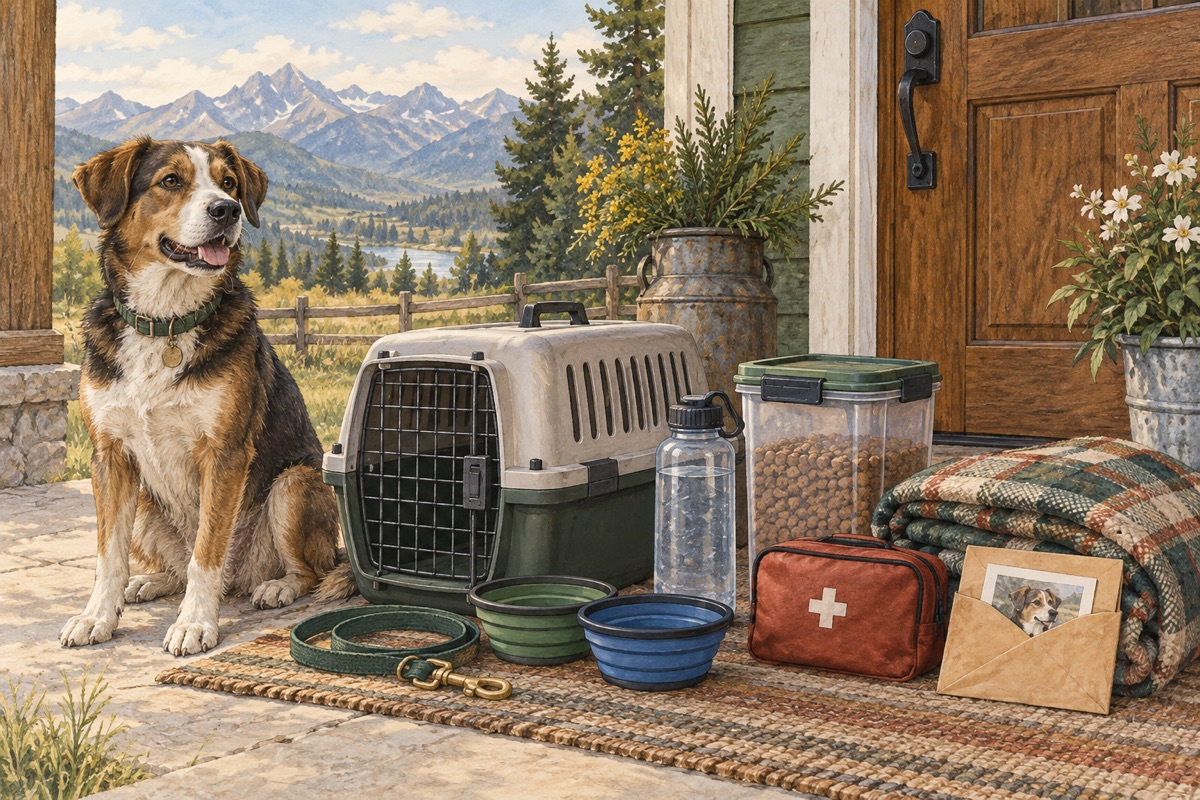
Create a practical Idaho pet evacuation plan with carriers, identification, records, supplies, a buddy system, and pet-friendly destinations.
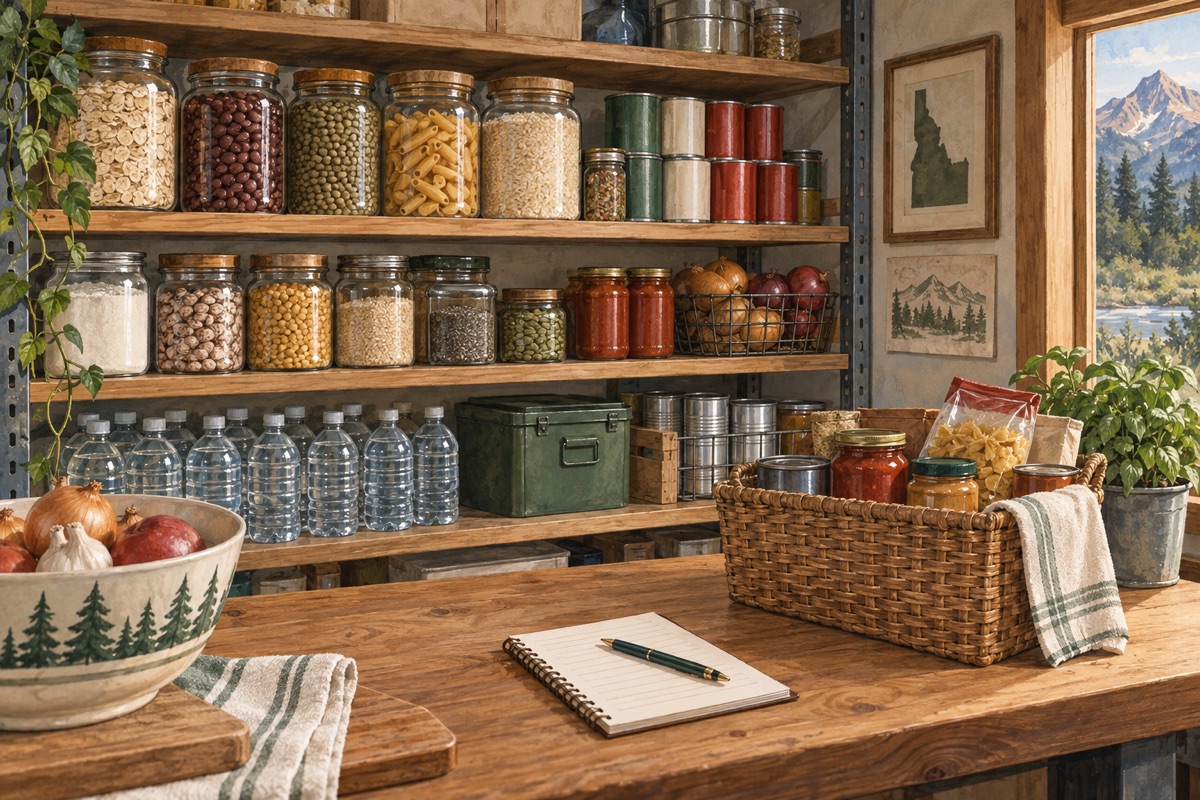
Build and rotate a two-week emergency pantry with familiar meals, safe water, simple inventory habits, and Idaho food-safety resources.