Idaho earthquake readiness: a room-by-room home check
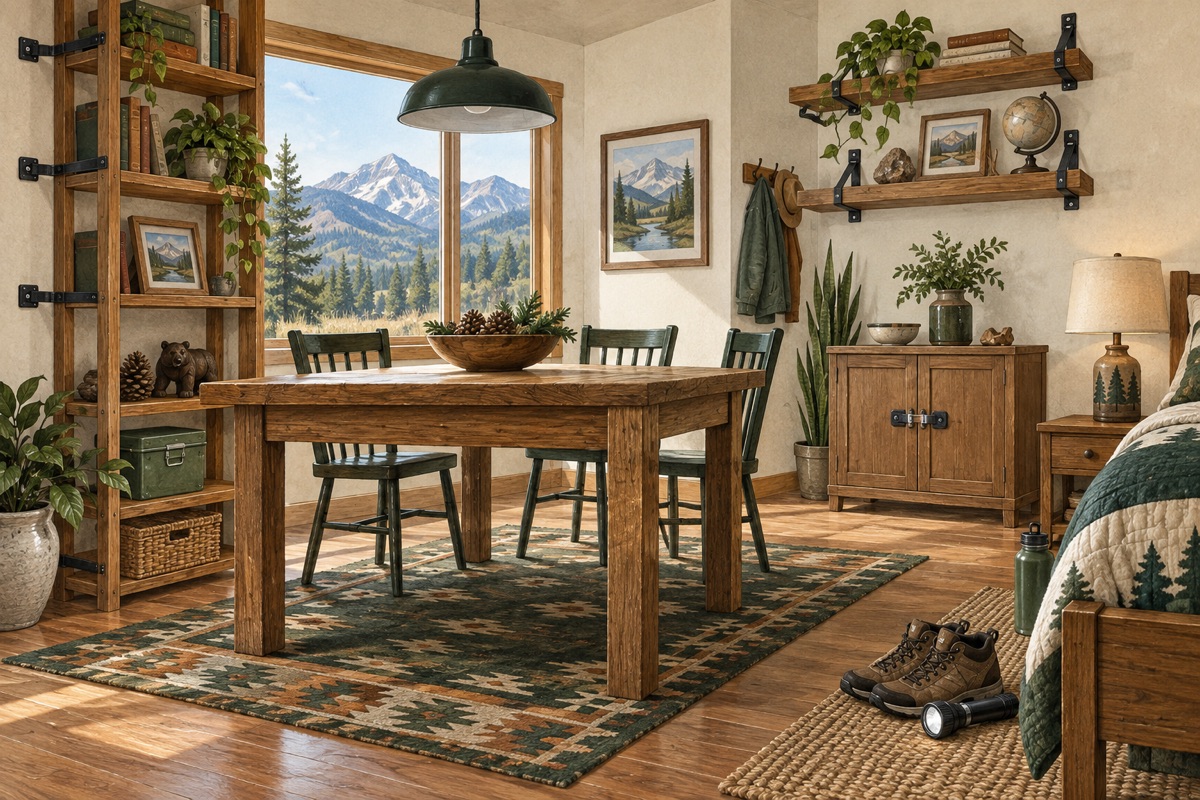
Idaho earthquakes do not follow a season. The Idaho Geological Survey notes that the state has experienced major events including the 1983 magnitude 6.9 Borah Peak earthquake and the 2020 magnitude 6.5 Stanley earthquake. The best first project is not predicting the next one; it is removing the hazards already within arm’s reach.
Practice the action you want to remember
During shaking, the recommended action in most situations is Drop, Cover, and Hold On. Get down, protect your head and neck, take cover under a sturdy table if one is nearby, and hold on until the shaking stops. Idaho emergency officials warn against running outside or standing in a doorway. See Idaho’s drill guidance.
Practice in the rooms where people spend time. If someone uses a wheelchair or walker, include the adapted action recommended for that person rather than assuming one movement works for everyone.
Start beside beds and seats
Move heavy pictures, mirrors, and shelves away from beds and frequently used chairs. Keep shoes and a flashlight within reach of the bed in case broken glass reaches the floor. Check whether tall furniture can fall across an exit.
Secure bookcases and other top-heavy furniture to appropriate wall framing. Put heavier objects on lower shelves, use cabinet latches where falling contents could injure someone, and follow product instructions or hire a qualified installer when attachment details are uncertain.
Check utilities without improvising
Learn where the water, electricity, and gas controls are. Do not shut off gas merely as a drill. Ask the utility when shutoff is appropriate and how service must be restored; in many systems, only the utility or a qualified professional should turn it back on.
After shaking, expect aftershocks. Move away from visibly damaged buildings and check current local instructions. Do not enter an area with a gas odor, damaged wiring, or structural warning signs.
Make the drill useful
Once a year, choose one minute to practice and ten minutes to inspect a room. The Idaho Geological Survey earthquake page provides state geology and education resources. Pair the drill with a check of water, medication, and communication supplies so the exercise connects to the rest of the household plan.